ESRI UC 2025
The 2025 ESRI User Conference (UC), scheduled to take place from July 14 to 18, promises to be one of the most anticipated events in the geospatial industry.
Geographic Information Systems (GIS) tools have become essential in today’s data-driven world, offering unparalleled capabilities for collecting, analyzing, visualizing, and interpreting spatial data. From urban planning to environmental conservation and logistics optimization, GIS applications span across industries, helping organizations make data-backed decisions and solve complex geographical challenges. Whether it’s mapping infrastructure, monitoring climate change, or
Comparing the Best GIS Tools: Which One Fits Your Needs? Read Post »
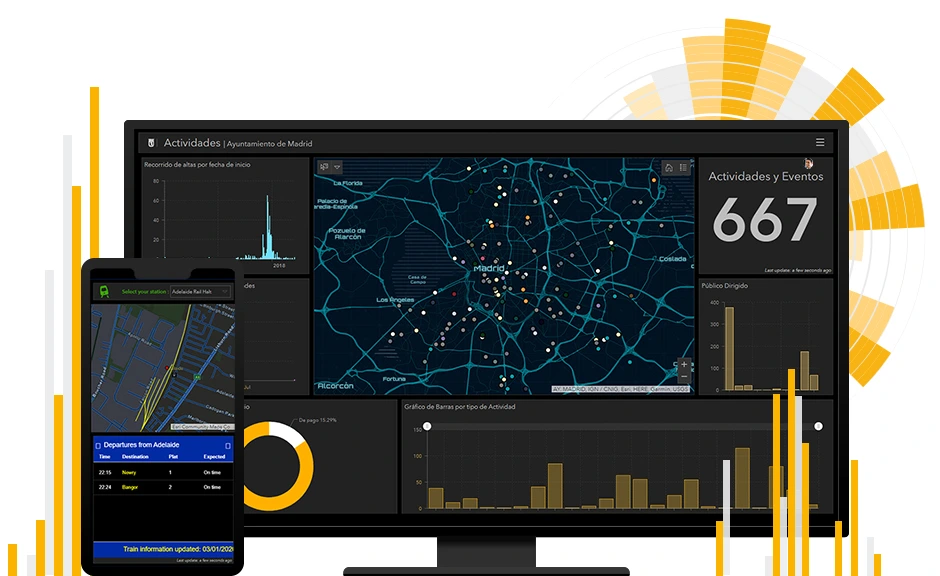
In an era where data drives decision-making, the ability to visualize and analyze information effectively is paramount. ArcGIS Online Dashboards, a product by Esri, provides a dynamic platform for organizations and individuals to gain actionable insights through interactive visualizations. As a GIS expert, leveraging this tool can revolutionize how spatial data is understood and applied.
Unlocking Insights: Exploring the Power of ArcGIS Online Dashboards Read Post »
The Christmas holiday season is a time of joy and celebration, but for many, it also brings the challenge of managing heavy traffic and crowded transportation hubs. In cities like Abuja, Nigeria’s bustling capital, the influx of holiday travelers creates significant logistical challenges. This article explores how Geographic Information Systems (GIS) can be leveraged to
Monitoring Holiday Travel with GIS: Predicting Traffic and Managing Crowds Read Post »
The rise of Geographic Information Systems (GIS) has transformed the landscape of data analysis, particularly in predictive modeling.
Mapping the Future: GIS in Predictive Analysis Read Post »
Introduction Climate change poses significant threats to our global ecosystems, economies, and human well-being, demanding innovative solutions. To mitigate its impacts, Geographic Information Systems (GIS) technology has emerged as a crucial tool, enabling researchers, policymakers, and practitioners to analyze, visualize, and understand climate-related data, thereby facilitating informed decision-making to address climate-related challenges. This article explores
Climate Change and GIS: Harnessing the Power of GIS to Tackle Climate Change Read Post »
Ever wondered how emergency responders use GIS to save lives? Welcome to the realm of Geographic Information Systems (GIS), where the art of mapping meets the science of data analysis. Imagine being able to see the world in a new light, where the streets, buildings, and landscapes come alive with hidden patterns and stories. GIS
The Power of Place Unlocking the Secrets of GIS. Read Post »
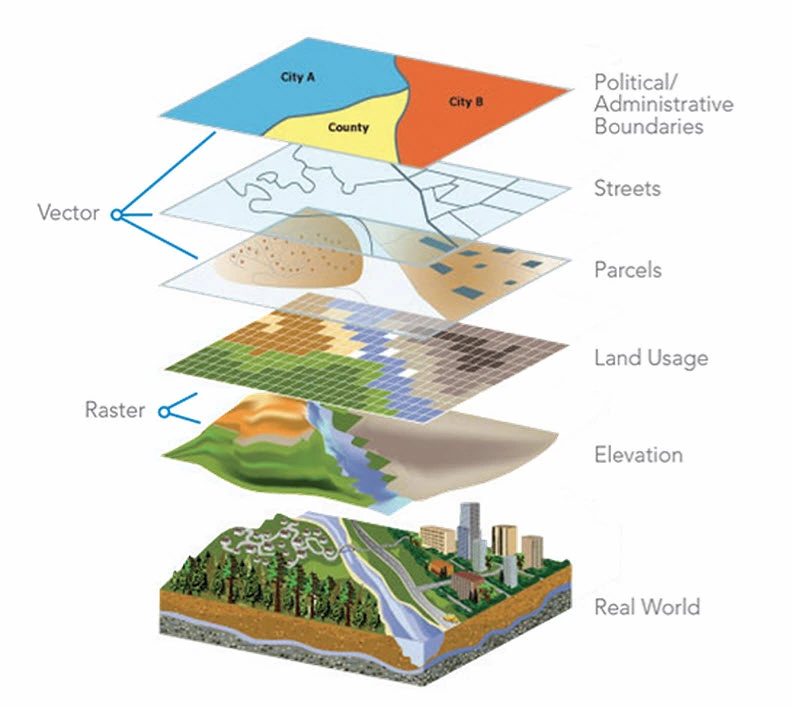
Geographic Information System is referred to as GIS. It serves as a framework for collecting, organizing, and interpreting geographic and spatial data. Spatial location—typically indicated by coordinates—serves as the primary index variable in GIS, which integrates a variety of data formats. Here are some crucial elements and applications of GIS: